
What is fast fashion, why is it harmful, and what can we do?
What is fast fashion?
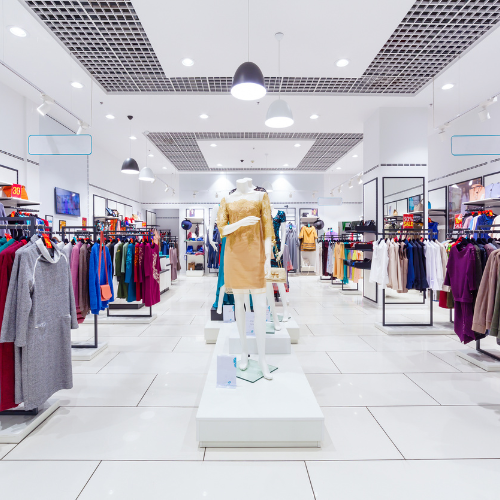
Fast fashion can be called "fast" in various senses: fashion changes happen quickly, production is fast; consumers' decision to buy is made quickly; delivery is fast; and garments are used quickly – often only a few times before they are discarded.
Essentially, the fast fashion business model relies on consumers buying more and more clothes. Brands entice consumers by offering cheap garments and constantly changing new lines.
Did you know...
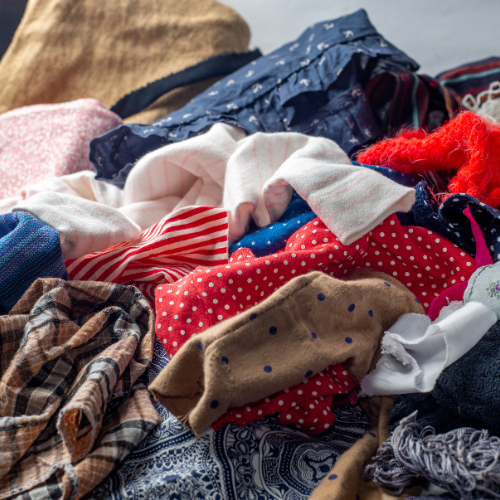
Clothing sales doubled from 100 to 200 billion units per year, while the average use of each garment decreased by 36% on average.
Environmental Impact of the Fashion Industry – Carbon Emissions
The clothing we wear has a greater impact on the environment than many realize. Clothing production accounts for more than 10% of all global greenhouse gas emissions – meaning the fashion industry emits more than all aviation combined.
But the impact doesn't end there. When considering the entire lifecycle of a garment – from production and material use, to transportation, use, and finally disposal at a landfill – the fashion industry collectively emits approximately 1.2 billion tons of carbon dioxide each year.
Environmental Impact – Water Consumption
The fashion industry is among the most water-intensive industries – about 79 billion cubic meters each year. Producing just one shirt requires up to 2,720 liters of water, and about 3,781 liters to produce one pair of jeans.
Working Conditions
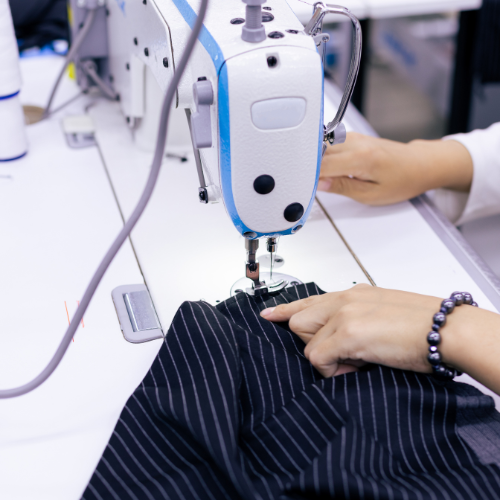
The fast fashion industry has long been complicit in a system where workers are paid below subsistence levels to maximize profits. This business model, which revolves around selling vast quantities of clothing at unsustainable prices, yields increasingly smaller profits for those who actually make the garments.
Working conditions are often poor, unhealthy, and dangerous, with a large portion of the work taking place in so-called "sweatshops" in impoverished countries with weak labor laws and limited government oversight. Consequently, employees risk losing their jobs if they try to stand up for their rights or complain about the conditions.
Garment workers often work 14 to 16 hours a day, seven days a week – under immense pressure and for extremely low wages.
Vintage is part of the solution
Slow fashion emphasizes quality over quantity, sustainability over waste, and conscious consumption. Vintage clothing is part of this movement – it already exists, is often unique, and carries a history. By choosing vintage clothing and slowing down consumption, you help reduce the demand for new production – and thereby reduce carbon emissions, water consumption, and waste. Every garment that gets a new life matters.